
We the People
What Does "We the People" Actually Mean?
The first three words of the U.S. Constitution say that government gets its power from the people, not the other way around. Texas says the same thing in its own constitution.
Our Constitution. Our Rights. Our Government.
Understanding government shouldn’t require a law degree. We the People breaks down the Constitution, Texas government, Williamson County government, and the rights and responsibilities of citizens in clear, straightforward language.
Our promise: We explain; we don’t campaign. Every explainer quotes the actual text of the law, links to the official source, separates what the law says from where people disagree, and shows the date it was last reviewed. Civic education, not legal advice.
The first three words of the U.S. Constitution say that government gets its power from the people, not the other way around. Texas says the same thing in its own constitution.
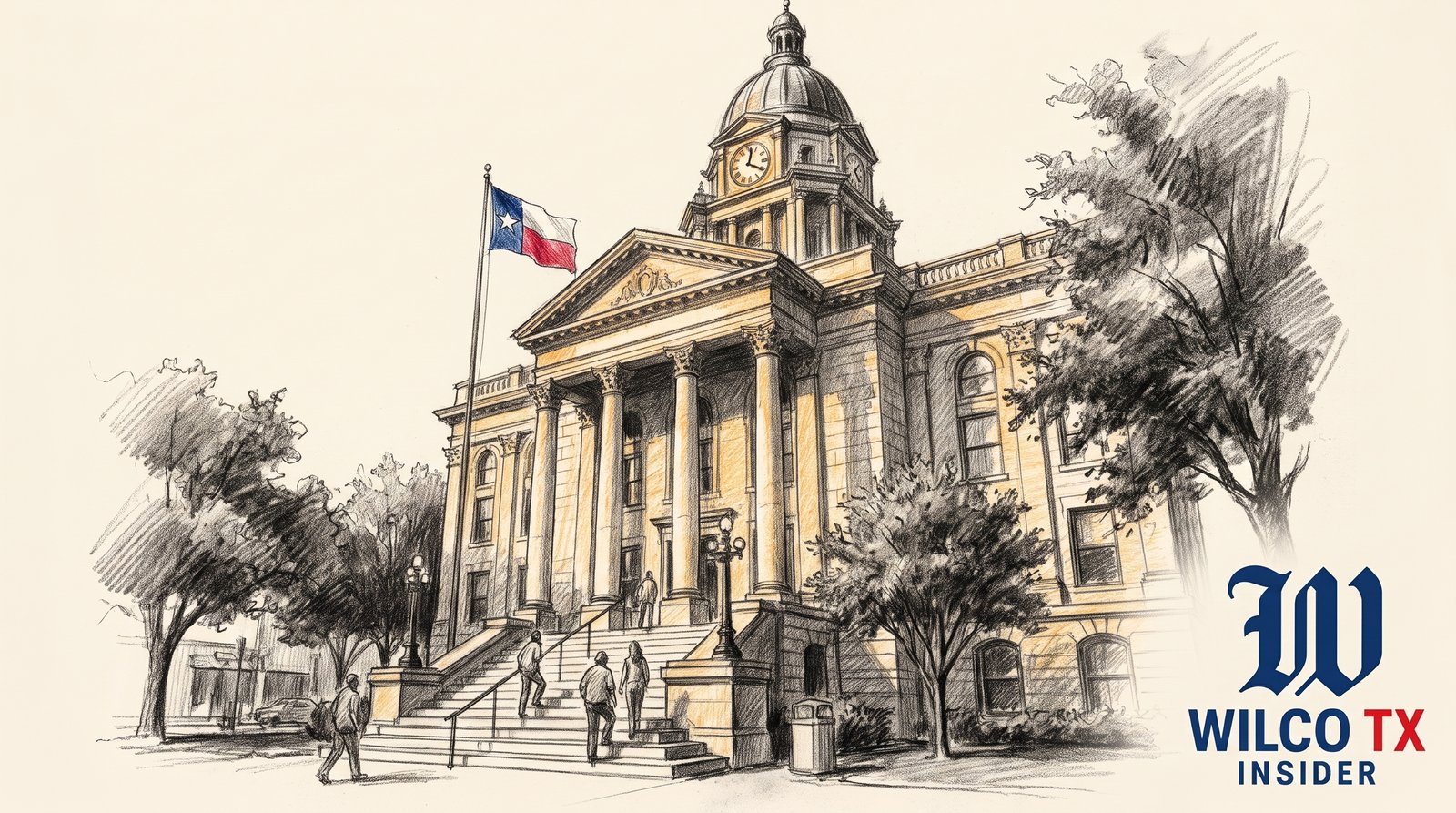
No single person runs Williamson County. A five-member Commissioners Court controls the budget, but the sheriff, prosecutors, clerks, judges and the tax office are each elected separately and answer to voters.
Your passport, your driver's license, your jail, your zoning and your school tax rate all come from different governments. Here is how the layers fit together, and who has the final say when they clash.
The Preamble, the Bill of Rights, the amendments, separation of powers, checks and balances and federalism.
2 explainers2Speech, religion, press, assembly, petition, the Second Amendment, search and seizure, due process, property and equal protection.
2 explainers3How Texas government works, the Texas Bill of Rights and how the state's rules differ from the federal ones.
1 explainer4Commissioners Court, the county judge, sheriff, constables, justices of the peace, clerks, prosecutors and the tax office.
2 explainers5Who does what among the federal government, Texas, the county, cities, school districts and special districts.
1 explainer6Why Hamilton, Madison and Jay wrote them, and how their arguments still shape government today.
1 explainer7Short answers to common questions, like who controls property taxes and whether a city can ignore state law.
Coming soon✒A monthly letter in the spirit of the Federalist Papers: one big civic idea, applied to what’s happening here.
First letter coming soonIf you live in Williamson County, at least four layers of government make decisions about your life, and often all six. Each has its own job, its own elected leaders and, usually, its own line on your tax bill.
The Preamble, the Bill of Rights, the amendments, separation of powers, checks and balances and federalism.
The first three words of the U.S. Constitution say that government gets its power from the people, not the other way around. Texas says the same thing in its own constitution.
The founders split power into three branches and gave each one ways to check the others because they believed concentrated power leads to abuse. Texas divides power even further.
Speech, religion, press, assembly, petition, the Second Amendment, search and seizure, due process, property and equal protection.
The First Amendment stops the government from punishing you for what you say, with a few narrow exceptions. It does not apply to private employers or businesses. Texas law also guarantees your chance to speak at public meetings.
Yes, but only for a public use and only if you are paid. This power is called eminent domain. Texas adds its own limits, including a ban on taking property mainly for economic development and a Landowner's Bill of Rights.
How Texas government works, the Texas Bill of Rights and how the state's rules differ from the federal ones.
Commissioners Court, the county judge, sheriff, constables, justices of the peace, clerks, prosecutors and the tax office.
No single person runs Williamson County. A five-member Commissioners Court controls the budget, but the sheriff, prosecutors, clerks, judges and the tax office are each elected separately and answer to voters.
Despite the name, Commissioners Court is not a courtroom. It is the county's governing board: five elected officials who adopt the budget, set the county tax rate, approve contracts and oversee county roads and buildings.
Who does what among the federal government, Texas, the county, cities, school districts and special districts.
Why Hamilton, Madison and Jay wrote them, and how their arguments still shape government today.
Short answers to common questions, like who controls property taxes and whether a city can ignore state law.
New explainers in this section are on the way.
The Scout Report lands every Sunday with Williamson County’s biggest stories. Free.
No spam. Unsubscribe anytime.
Then $9.99/month. Cancel anytime. Or see what's coming to your city free →