What Are the Federalist Papers, and Why Should We Still Care?
The Federalist Papers are 85 newspaper essays written in 1787 and 1788 to persuade New Yorkers to ratify the Constitution. They remain one of the best guides to what the founders were trying to build, and judges still cite them.

· 2 min read

The short answer
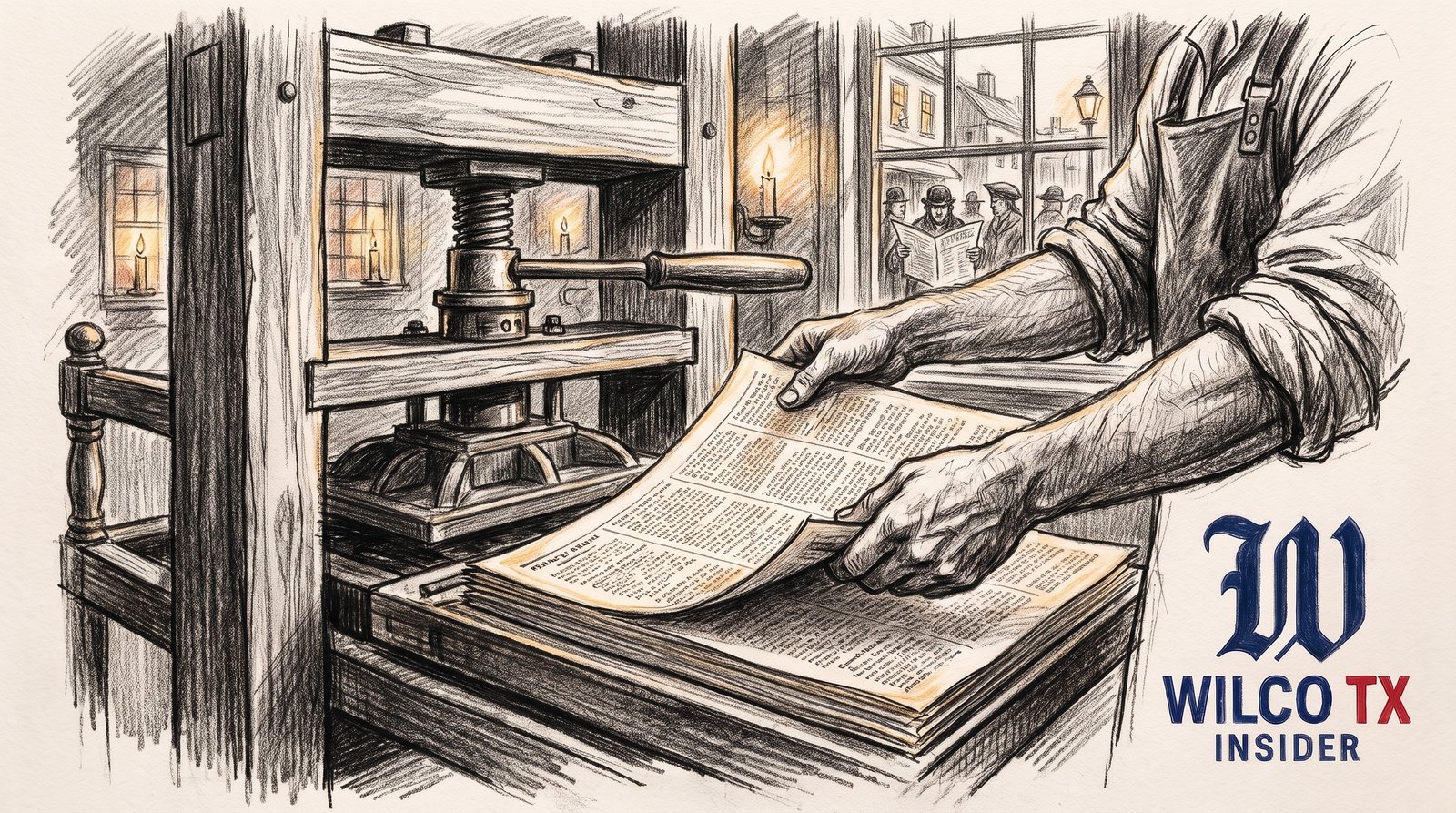
The Federalist Papers are a series of 85 essays written to convince the people of New York to approve the new U.S. Constitution. They were written by Alexander Hamilton, James Madison and John Jay, and most first appeared in New York newspapers in 1787 and 1788 under one shared pen name: "Publius." Today they are one of the most important explanations of how the Constitution was supposed to work.
Why they were written
After the Constitutional Convention finished its work in September 1787, the Constitution was only a proposal. It needed approval from conventions in nine of the 13 states to take effect. New York was a large, important state, and many New Yorkers opposed the plan. Critics, often called Anti-Federalists, worried that the new national government would be too powerful and would swallow up the states.
Hamilton organized a response. The first essay appeared in late October 1787. Hamilton wrote most of them, Madison wrote many of the rest, and Jay, who fell ill, wrote five. The essays were collected and published as a book, The Federalist, in 1788. The Library of Congress has the full text.
The big arguments
- Federalist No. 10 (Madison): factions. Madison argued that groups pursuing their own interests at others' expense are a permanent part of human nature. A large republic, with many competing groups, makes it harder for any one faction to take over.
- Federalist No. 51 (Madison): checks and balances. Government must be designed so its parts keep each other in check. Its most famous line: "If men were angels, no government would be necessary."
- Federalist No. 70 (Hamilton): one executive. A single president, rather than a committee, can act with energy and can be held clearly responsible.
- Federalist No. 78 (Hamilton): independent courts. Judges with secure tenure can protect the Constitution against laws that break it. Hamilton called the judiciary the "least dangerous" branch because it has neither the sword nor the purse.
What it means today
The Federalist Papers are not law. They are persuasive essays written by supporters of the Constitution. But because their authors helped write and ratify it, judges, lawmakers and historians still read them to understand what the Constitution's words were meant to do. The Supreme Court has cited them many times.
It is also worth reading the other side. The Anti-Federalists' concerns about a distant, powerful national government helped lead to the Bill of Rights, which Madison introduced in the First Congress and the states ratified in 1791.
Why this matters in Williamson County
The questions Publius argued about are still on local agendas. Who should decide: Austin, the county or your city? How do you keep any one group from controlling government? How should power be split so officials check each other? Williamson County's own design, with separately elected county officers and a budget board that doesn't control them, reflects the same thinking.
The essays were also addressed directly to ordinary citizens. Every one began "To the People of the State of New York." That is the model for this section's coming monthly feature, To the People of Williamson County.
The bottom line
The Federalist Papers were the founders' sales pitch for the Constitution. More than two centuries later, they are still the clearest window into why American government is built the way it is.